
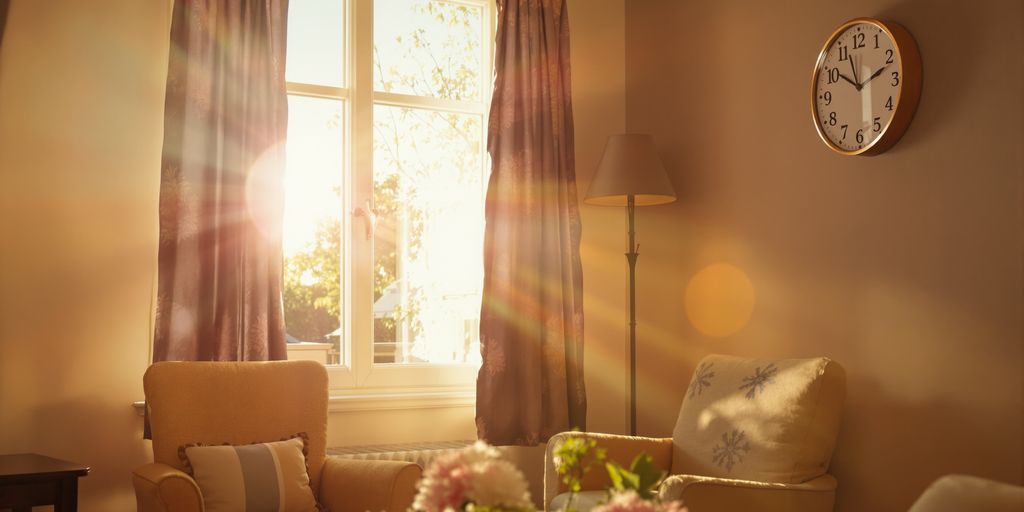
The end of Daylight Saving Time is almost here, and while some dread the earlier sunsets, it’s actually a great chance to reset and enjoy the season. Think of it as a little gift of an extra hour. Instead of just letting it slide by, we can actually plan to make the most of it. It’s a chance to connect with family, get a bit more rest, or just enjoy some cozy time. Let’s look at how we can all celebrate this shift and make it a positive experience.
Key Takeaways
- The end of Daylight Saving Time means gaining an extra hour, which can be used for rest or enjoyable activities.
- Adjusting your sleep schedule gradually before the change can help ease the transition.
- Spending time outdoors in natural light can help reset your internal clock after the time shift.
- Limiting screen time before bed, especially the blue light from devices, can improve sleep quality.
- Reframing the earlier darkness as an opportunity for cozy evenings and special activities can make the transition more positive.
Embracing the Extra Hour of Daylight
So, the clocks have sprung forward, and suddenly, it feels like we’ve been handed a little gift: an extra hour of daylight in the afternoon. It’s that time of year when the evenings stretch out, and honestly, it can feel pretty great. This shift often brings a wave of optimism, a feeling that warmer weather and more outdoor activities are just around the corner. It’s like nature’s way of giving us a nudge to get out there and do more.
Understanding the Shift in Daylight
When Daylight Saving Time begins, it’s not like the sun magically decides to give us more light overall. Instead, we’re just adjusting our clocks to better match the natural daylight hours as they lengthen. Think of it as shifting our daily schedule to align with the sun’s earlier rising and later setting. This change means that at, say, 6 PM, it will still feel like the middle of the afternoon, light-wise. It’s a noticeable difference from the day before, and even little kids can pick up on it.
The Euphoric Optimism of Longer Evenings
There’s something about those extended evenings that just lifts the spirits, isn’t there? It feels like we have more time for everything – more time to finish work, more time for hobbies, or just more time to relax outside. This extra daylight can really boost our mood and make us feel more energetic. It’s a psychological boost, a tangible sign that spring is truly here and summer isn’t too far off.
Leveraging the Gift of 60 Bonus Minutes
This extra hour isn’t just for sitting around, though that’s nice too! It’s an opportunity. What can you do with that bonus time? Here are a few ideas:
- Plan an outdoor activity: A walk in the park, a bike ride, or even just playing in the yard becomes more feasible.
- Tackle a home project: That garden bed that needs weeding or that shelf that needs assembling might finally get some attention.
- Connect with others: Organize a spontaneous get-together with friends or family.
This time change is a chance to reset our routines and embrace the longer days. It’s a simple shift, but it can have a surprisingly positive impact on our well-being and how we spend our time.
Navigating the Transition with Ease
Gradually Adjusting Your Sleep Schedule
It’s not always easy when the clocks change, and our bodies often take a little while to catch up. For adults, it might take about a week to fully adjust. If you have kids, especially little ones, it can be even trickier. A good way to help everyone, including yourself, is to start shifting your sleep schedule a bit before the actual change. Try moving bedtime back by 10 to 15 minutes each night for a few days leading up to it. This small adjustment can make a big difference when the hour officially shifts.
The Impact of Light on Your Internal Clock
Our bodies are pretty tuned into natural light. When Daylight Saving Time ends, the sun sets an hour earlier, and this can mess with our internal body clock, also known as our circadian rhythm. This is why you might feel a bit off, maybe more tired or hungry at different times than usual. For instance, your body might think it’s lunchtime when it’s only 11 AM. To help your body adjust, try to get some sunlight, especially in the morning. Even a short walk outside can help reset your internal clock. Also, pay attention to light exposure in the evening.
Mindful Eating Habits for Better Sleep
What and when we eat can really affect how well we sleep, especially during time changes. Since your body clock might be a bit out of sync, you might feel hungry at odd times. It’s a good idea to have a healthy snack ready if you feel a hunger pang before your usual mealtime. This can help prevent feeling grumpy or irritable. Also, try to limit screen time for about an hour before bed. The blue light from phones and computers can make it harder for your body to produce melatonin, a hormone that helps you sleep. Instead, opt for calming activities like reading a book or listening to quiet music. This can create a more peaceful transition into sleep.
Making small, conscious changes to our routines can really help smooth out the bumps that come with the end of Daylight Saving Time. It’s all about being a bit kinder to ourselves and our bodies during this period of adjustment.
The Benefits of Gaining an Hour
So, the clocks have fallen back, and we’ve officially gained an hour. It might not sound like much, but this little bonus can actually make a difference. Think of it as a small gift from the universe, a chance to catch your breath.
Improved Mood and Productivity Through Rest
That extra hour can be a real game-changer for how you feel and what you get done. When you’re not running on fumes, your mood tends to lift, and you can focus better. It’s like giving your brain a mini-vacation. Getting enough sleep is directly linked to better cognitive function and emotional regulation. Even a small boost in rest can lead to more patience and a more positive outlook throughout the day. It’s not just about feeling less tired; it’s about feeling more capable.
More Opportunities for Evening Relaxation
With the sun setting earlier, it might seem like the day is over, but it can actually open up more time for winding down. Instead of rushing through evening chores, you might find you have a bit more breathing room. This extra time can be used for simple pleasures, like enjoying a quiet cup of tea or just sitting and watching the world go by. It’s a chance to shift gears from the busy-ness of the day to a more relaxed state. You can use this time to connect with family or friends, or simply enjoy some quiet time alone. It’s about reclaiming those evening hours for yourself.
Self-Care and Cozy Nights In
This is the perfect time to lean into some self-care. The earlier darkness encourages a slower pace, making it easier to justify staying in and getting cozy. Think about activities that help you recharge: reading a good book, listening to music, or trying out a new recipe. It’s also a great opportunity to prepare for the week ahead without feeling rushed. Maybe you can plan a nice meal or get your clothes ready the night before. This proactive approach to self-care can reduce stress and make your week feel much smoother. It’s about creating a comforting routine that supports your well-being, especially as the days get shorter. You can find more tips on managing sleep during these transitions at DST and sleep.
Anticipating and Welcoming the Change
Acknowledging the Impact on Circadian Rhythms
It’s easy to just let the clock change happen without much thought, but honestly, it’s a pretty big deal for our bodies. That one-hour shift can really throw off our internal clocks, kind of like a mini jet lag. Our bodies are used to a certain rhythm, and suddenly messing with that can make us feel a bit off. Research indicates that eliminating daylight saving time could lead to fewer car accidents and a reduction in various health issues, including insomnia, anxiety, strokes, and heart attacks. So, it’s not just about feeling tired; there are actual physical effects to consider.
Combating the Effects of Early Darkness
When the clocks fall back, the evenings get dark much sooner. This can feel a bit gloomy, and it’s easy to just want to hibernate. But we can fight back against that early darkness. Instead of just accepting it, let’s plan things to look forward to. Maybe get some nice candles ready for a cozy evening, or plan a special meal. It’s about creating your own light and warmth when the sun decides to call it a night early.
- Prepare a ‘Sunset Kit’: Gather items like nice tea, a good book, or soft blankets to make evenings more inviting.
- Schedule Social Time: Plan a dinner with friends or a game night to keep spirits up.
- Embrace Indoor Hobbies: Dust off that old guitar or start a new craft project.
The key is to be proactive. Instead of feeling blindsided by the earlier sunsets, we can actively prepare and create our own positive experiences. This shift doesn’t have to be a negative thing; it can be an opportunity to reset and enjoy different kinds of activities.
Making the Shift a Positive Experience
So, how do we make this whole time change thing feel less like a chore and more like a gift? It really comes down to how we approach it. If we expect it to be a disruption, it probably will be. But if we see it as a chance to adjust our routines and maybe even try something new, it can be pretty great. Think of it as a chance to get an extra hour back in your evening, which is pretty sweet, right? You can use that time for whatever you want – maybe catch up on a show, read a book, or just relax. It’s all about reframing how we see the change and making the most of it.
Activities for Celebrating the End of Daylight Savings
So, the clocks are about to fall back, giving us that extra hour. Instead of just letting it slide by, why not make a little event out of it? It’s a chance to do something fun, especially with the kids, and teach them a bit about rolling with changes. Think of it as a mini-celebration for getting through another season.
Community Playdates and Shared Joy
This is a great time to get together with other families. Reaching out to friends or neighbors to plan a joint activity can really make the most of that extra afternoon light. It’s not just about playing; it’s about showing kids how to embrace change with a positive attitude. When everyone’s doing it together, it feels more like a shared experience, and honestly, it’s just more fun.
- Organize a park meet-up: Pick a local park and invite friends. The extra daylight means more playtime before it gets dark.
- Host a “Fall Back” potluck: Ask everyone to bring a dish. It’s a relaxed way to gather and enjoy company.
- Neighborhood scavenger hunt: Create a simple hunt around the block. It gets everyone moving and interacting.
Teaching Children to Embrace Change
Kids often find schedule changes a bit tricky, and the end of Daylight Saving Time is no different. Their sleep patterns can get a little mixed up, making bedtime a bit of a challenge for a few days. But this is actually a perfect moment to model how to adapt. Instead of getting frustrated, we can show them that changes can be managed and even be a little exciting.
The way we react to these shifts can teach children valuable lessons about flexibility and resilience. By making the transition a positive experience, we help them build confidence in handling life’s adjustments.
- Talk about the time change: Explain what’s happening in simple terms. Let them know the clocks are moving back, and it might feel a little different for a bit.
- Start bedtime adjustments early: If you can, shift bedtime back by 10-15 minutes a few nights before the change. This helps their bodies get used to it gradually.
- Enjoy the extra time: If they’re not quite ready for bed on the actual day, use that extra time for a calm activity like reading an extra story or building a cozy fort.
Creative Ways to Spend Your Bonus Hour
That extra hour isn’t just for sleep, though that’s nice too! It’s a gift of time. Think about what you’d genuinely enjoy doing if you had an unexpected hour pop up. It could be something simple and personal, or something you share with loved ones.
- Cozy night in: Grab that book you’ve been meaning to read, start a new series, or play a board game with the family. Order some takeout to make it extra special.
- Creative project: Dedicate the hour to a hobby – painting, knitting, writing, or even trying a new recipe. It’s a chance to focus on something you love.
- Evening stroll: If the weather’s still pleasant, take a walk around your neighborhood. It’s a good way to enjoy the lingering daylight and get some fresh air.
Adapting Routines for Shorter Days
So, the clocks have shifted, and suddenly it feels like the sun clocked out way earlier than usual. It’s a bit of a jolt, right? Our bodies are still running on the old schedule for a bit, which can mess with our energy levels and even when we feel hungry. It’s totally normal to feel a little off during this transition week.
Lightening Schedules for Smoother Transitions
This is a good time to be kind to yourself and scale back on non-essential commitments. Think of it as giving yourself a little breathing room. If you can, try to trim down your calendar for the first week or so after the time change. This means fewer meetings, less pressure to be everywhere, and more flexibility to just listen to what your body needs. It’s not about being lazy; it’s about being smart and conserving energy when the natural light is fading faster.
- Reduce after-work social engagements.
- Postpone non-urgent appointments.
- Delegate tasks if possible.
The Importance of Limiting Blue Light Exposure
Remember those screens we’re always glued to? They’re not our friends when it comes to winding down. The blue light they emit can really mess with our body’s natural sleep signals, making it harder to fall asleep. Since the days are shorter, we might be tempted to spend more time indoors with our devices, but it’s extra important now to create a screen-free buffer before bed.
| Activity | Recommended Time Before Bed | Notes |
|---|---|---|
| Screen Time | Avoid 1-2 hours prior | Dim screen brightness, use night mode. |
| Reading a Book | 30-60 minutes prior | Physical book or e-reader with warm light. |
| Gentle Stretching | 15-30 minutes prior | Focus on relaxation, not exertion. |
Enjoying Extra Minutes with Calming Activities
Instead of feeling like you’ve lost an hour, try to see it as gaining some bonus time in the evening. This is the perfect opportunity to build in some calming, low-key activities that help you unwind. Think about what makes you feel relaxed and cozy. Maybe it’s curling up with a good book, enjoying a warm cup of tea, or listening to some soft music. These little rituals can make the earlier darkness feel less like an ending and more like an invitation to slow down and recharge. If you find yourself with extra time and a creative itch, you might even explore fresh content ideas for your author blog to channel that quiet evening energy productively.
The shift in daylight can be a gentle nudge to reassess our evening routines. By consciously choosing activities that promote relaxation and reduce stimulation, we can adapt more gracefully to the shorter days and make the most of the time we have indoors.
Reframing the Evening Darkness
Finding Comfort in Early Evenings
It’s true, the sun dips below the horizon a lot earlier now. That 5:00 PM sunset can feel a bit abrupt, especially after months of lingering daylight. Instead of seeing this as a loss, though, we can try to shift our perspective. Think of it as an invitation to slow down. That earlier darkness means we have a chance to wind down sooner, to create a more relaxed evening routine. It’s a signal to trade the hustle for some quiet time, a chance to really settle in.
Creating Special Sunset Rituals
To make the most of these earlier evenings, setting up little rituals can make a big difference. It gives you something nice to look forward to as the day winds down. Maybe it’s brewing a special cup of tea, lighting a few candles to create a warm glow, or just putting on your comfiest socks. These small acts can turn the transition into something cozy and enjoyable. It’s about acknowledging the change and making it a positive moment, rather than just letting the darkness creep up on you. You could even plan a special activity for the evening, like trying a new recipe or starting a book you’ve been meaning to read. This proactive approach helps you feel more in control and less affected by the shorter days. It’s a way to actively participate in making the most of your time, even as the sun sets earlier. For those who enjoy writing as a way to unwind, learning what it takes for an author to be successful in today’s publishing landscape can be an inspiring and fulfilling way to spend those quiet evening hours.
Enjoying Cozy Indoor Activities
With the earlier darkness, our homes can become even more inviting. It’s the perfect time to embrace indoor activities that feel comforting and restorative. Think movie nights starting a bit earlier, perhaps with some popcorn. Or maybe a family game night, or just curling up with a good book. Dimming the lights and using soft, warm lighting can really change the atmosphere, making your living space feel like a snug haven. It’s a chance to reconnect with loved ones or enjoy some solo downtime without the pressure of needing to be out and about. This shift can be a great opportunity to recharge and focus on simple pleasures. It’s about making your home a place of comfort and enjoyment during the darker hours. For example, you might find yourself looking forward to these evenings more than you expected, especially if you plan something special, like ordering your favorite takeout or having a living room fort-building session with the kids. It’s about making the most of the time you have, turning the earlier evenings into a positive experience. This approach can help you adapt to the change and even find joy in the shorter days, setting a positive tone for the coming months. It’s a good time to prepare for winter by creating a comfortable and inviting atmosphere at home. You can find more ideas on how to adjust your routines for shorter days here.
Embrace the Shift and Enjoy the Extra Hour
So, as the clocks fall back, let’s try not to dread the earlier sunsets. Instead, think of it as a chance to reclaim a bit of our day. Maybe it’s an extra hour for a quiet cup of tea, a chance to finally start that book, or just a moment to breathe before the evening rush. This little shift in time can be a good reminder to slow down, connect with loved ones, or even just enjoy a cozy night in. Let’s make the most of this bonus hour and welcome the changing season with a positive outlook.
Frequently Asked Questions
What exactly is Daylight Saving Time?
Daylight Saving Time, or DST, is when we move our clocks forward an hour in the spring and then back an hour in the fall. The idea is to make better use of the daylight we have during the longer days of summer.
When does Daylight Saving Time end in the US?
In the United States, Daylight Saving Time usually ends on the first Sunday in November. This is when we ‘fall back,’ meaning we set our clocks back one hour, giving us an extra hour of sleep.
Why does changing the clocks affect how I feel?
When the clocks change, it’s like a mini-jet lag for your body. Our internal body clock, called circadian rhythms, gets a bit mixed up. This can make us feel tired or out of sorts for a few days as our bodies get used to the new schedule.
How can I adjust to the time change more easily?
To make the switch smoother, try changing your sleep schedule a little bit each night for a few days before the change. Also, getting some sunlight in the morning and avoiding bright screens before bed can help your body adjust faster.
What are some good ways to use the extra hour we gain?
That extra hour is a great chance to relax! You could use it to sleep in a bit, enjoy a quiet morning with a book, spend time with family, or do a relaxing activity like taking a bath or listening to music. It’s a perfect time for some self-care.
How can I help my kids adjust to the time change?
Kids can also find the time change tricky. Try shifting their bedtime and wake-up times by 10-15 minutes earlier a few nights before the change. Limiting screen time before bed and making bedtime routines extra cozy with stories or calm music can also help them settle in.